Most people flying into Los Cabos International Airport have one destination in mind: Cabo San Lucas. The marina, the resort strip, the nightlife, the famous arch rising from the sea. It’s beautiful. It’s also loud, expensive, and — if you’re reading this site — probably not quite what you’re looking for.
Ninety minutes north on Highway 19, past the cactus-studded desert and the silver glint of the Pacific, is a town that operates on a completely different frequency.
Todos Santos is a Pueblo Mágico — Mexico’s official designation for towns of exceptional cultural and historical value — perched on a mesa above the Pacific coast, tucked between the ocean and the Sierra de la Laguna mountain range. It has cobblestone streets, a working 18th-century mission, an art gallery scene that would feel at home in Santa Fe, one of the best farm-to-table restaurants in all of Mexico, and a coastline where humpback whales surface offshore from November through March.
It does not have a resort strip. It does not have a Señor Frog’s. The best restaurants don’t take walk-ins.
This is the Baja California that existed before Cabo happened — and somehow, remarkably, it still does.
Getting There & Getting Around
Flying in: The nearest airport is Los Cabos International Airport (SJD) in San José del Cabo, about 90 minutes south of Todos Santos. Most major US cities have direct flights. There’s also La Paz International Airport (LAP) to the north, about an hour away — worth considering if fares are better.
Getting to Todos Santos: Rent a car. This isn’t a suggestion — it’s a requirement for getting the most out of Todos Santos. The beaches are spread out, El Pescadero is 20 minutes south, and many of the best restaurants and surf spots are accessible only by dirt road. A standard sedan works for most roads, but a 4WD gives you more flexibility for beach tracks.
The drive from SJD on Highway 19 is beautiful — Pacific views, desert mountains, long empty stretches of road. Allow 90 minutes and enjoy it.
If you genuinely can’t or won’t rent a car, Eco Baja Tours runs a private shuttle several times daily between SJD airport and the Todos Santos town center, running around $18 one-way. But you’ll be significantly limited in what you can access.
Getting around town: The centro historic is entirely walkable — the main plaza, galleries, Hotel California, and most restaurants are all within a 10-minute walk of each other. For the beaches and El Pescadero, you’ll need the car.
The Town: What Makes Todos Santos Worth Coming For
Todos Santos was founded as a Jesuit mission in 1724, later becoming the sugar cane capital of Baja California Sur. The sugar industry collapsed in the 1950s, and the town entered a long quiet period — which, inadvertently, preserved everything that makes it special today.
The historic centro is small, walkable, and genuinely beautiful. Bougainvillea spills over colonial walls. The Teatro Márquez de León — a restored 19th-century theater — anchors the main plaza where locals gather in the evenings. The Misión de Nuestra Señora del Pilar, the original Jesuit mission church, still holds mass. The Centro Cultural, housed in a former sugar mill, hosts rotating art exhibitions and cultural events throughout the year.
The art scene is real and worth your time. Todos Santos has attracted painters, sculptors, photographers, and ceramicists for decades, drawn by the quality of light, the quietude, and the community of like-minded people. Galleries like Galería de Todos Santos, Emporio Gallery (next to Hotel California), and several smaller studios along Calle Centenario show work that’s genuinely good — not tourist trinket galleries. The Saturday Mercado Orgánico, held in the plaza, brings together farmers, artisans, and food vendors in a scene that feels nothing like a tourist market.
Hotel California sits on the main street and generates more questions than it has answers. To address the most common one directly: no, the Eagles song is not about this hotel. The Hotel California in the song is a metaphor, and the Eagles have confirmed it’s not about any real place. The Todos Santos hotel was built in 1928 and adopted the name decades later, capitalizing on the connection. That said — it’s a charming boutique hotel with a good bar, interesting decor, and a lively courtyard. Worth a drink, worth a look. Just don’t expect to feel the haunted California vibes.
The Beaches: Know Before You Go

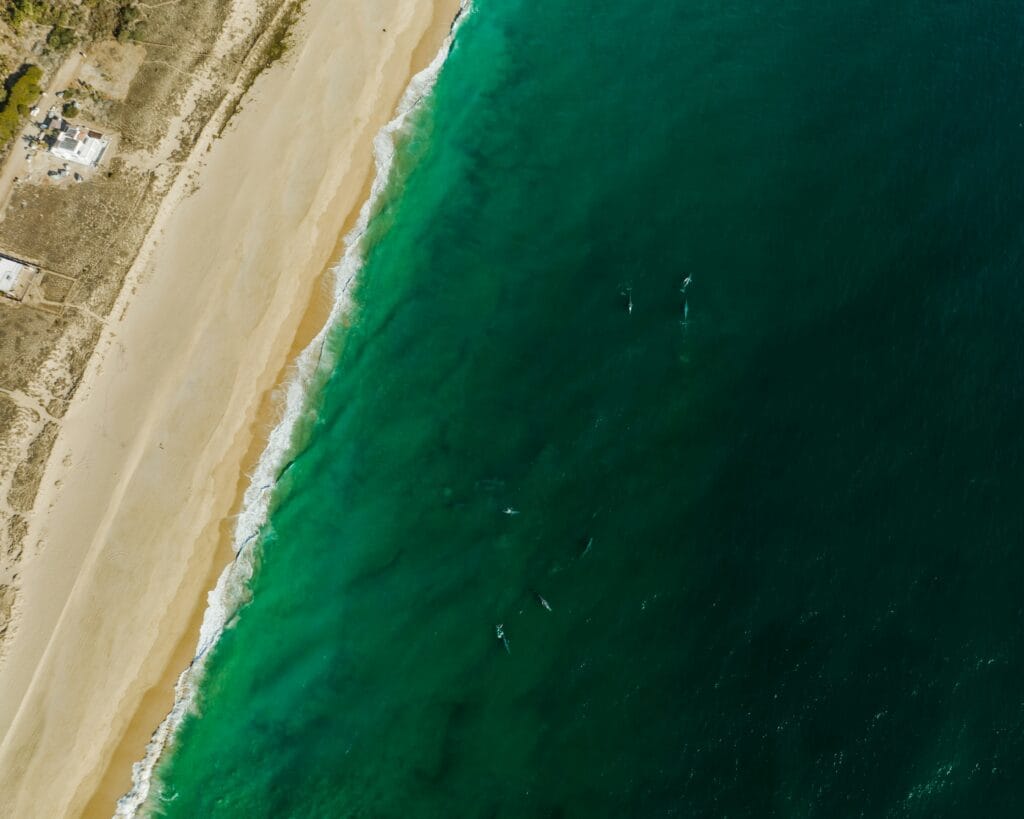
This is critical information that saves frustration: most beaches around Todos Santos are not safe for swimming. The Pacific here is powerful — strong shore breaks, riptides, and waves that arrive without warning. Gorgeous to look at, dangerous to enter without understanding the conditions.
Here’s how to approach each beach:
Punta Lobos The most dramatic beach near town, about 15 minutes south. Local fishermen launch their panga boats into the surf here at dawn — one of the more cinematic scenes in Baja. Rugged, windswept, backed by cliffs. The Punta Lobos trail offers a short hike to a viewpoint overlooking a hidden cove. This is a beach for watching, walking, and whale-spotting — not for swimming.
Playa La Cachora Just west of town, this is Todos Santos’s sunset beach. Fewer visitors than the other spots, reliably beautiful light in the late afternoon, and the kind of long empty shore where you walk and think. The surf is strong here too — admire from the sand.
Los Cerritos The swimming and surfing beach, 20 minutes south of town toward El Pescadero. This is where you go to get in the water. The beach break here is gentler than elsewhere, the waves consistent enough for learners, and there are surf schools operating directly from the beach. Several vendors rent boards and wetsuits. There’s a beach bar-restaurant with cold drinks and fish tacos. On weekdays outside of peak season, it’s uncrowded and relaxed. This is the beach that makes the guidebooks, and it earns it. We’ve written a full dedicated guide to Los Cerritos covering surf conditions, lessons, swimming safety, and where to eat on the beach.
Playa San Pedrito A short drive from Los Cerritos, San Pedrito is a mix of sandy beach break and rocky shoreline. More experienced surfers than beginners come here. There’s a camping spot nearby for those who want to wake up to the waves.
Playa Las Palmas About 15 minutes from town, genuinely isolated — locals will tell you the only footprints in the sand are your own. Worth the drive if you want solitude over amenity.
El Pescadero: The Town Within the Town
Twenty minutes south of Todos Santos on Highway 19, the small community of El Pescadero is where the surf and wellness retreat scene has quietly established itself — and where some of the best food in the region can be found.
Most travel guides skip El Pescadero entirely or mention it in passing. That’s a mistake. The combination of Hotel San Cristóbal (one of the most striking boutique hotels in all of Mexico, designed by hotelier Liz Lambert with swirling pastel tiles and cactus-lined walkways), the Kimpton Mas Olas resort, and several organic farm restaurants has made El Pescadero a destination in its own right.
Hierbabuena is the standout restaurant here — a lush garden-to-table spot where almost everything on the plate comes from the property’s own organic farm. Open-air, beautiful, and genuinely exceptional cooking. Worth building a lunch around. Los Cerritos beach is essentially El Pescadero’s front yard, making it a natural base for surfers.
If you’re deciding between staying in Todos Santos town or near the beach, staying in or near El Pescadero puts you closer to Los Cerritos and the surf scene with easy access to the centro by car.
Wildlife: The Reasons to Time Your Trip Carefully
Two wildlife experiences make Todos Santos genuinely special — and both are seasonal.
Sea Turtle Releases The Pacific beaches around Todos Santos are nesting grounds for three species of sea turtles: Olive Ridleys, Leatherbacks, and Black sea turtles. From December through February, hatchlings emerge nightly and the team at Tortugueros Las Playitas — a non-profit sanctuary — organizes free public releases at sunset. You watch dozens of hatchlings emerge from the sand and make their first urgent scramble toward the ocean. It’s one of those experiences that stops you in your tracks.
The releases are free, open to the public, and run most evenings during peak hatching season. Check the Tortugueros Las Playitas website or ask at your hotel for the current schedule. This is precisely the kind of experience that Meanwhile in Mexico exists for — no entrance fee, no performance, no souvenir stand. Just the ancient rhythm of turtles and ocean, available to anyone who shows up. If wildlife conservation resonates with you, also read our guide to volunteering in Mexico for deeper ways to connect with these kinds of programs.
Humpback Whale Watching From November through March, humpback whales migrate through the waters off the Todos Santos coast. You can often spot them from the shore at Punta Lobos — a spout on the horizon, occasionally a full breach. For a closer experience, local operators run whale-watching boat tours from Punta Lobos, typically running 2–3 hours in the early morning when seas are calmer. Book through your hotel or at the beach — prices run around 800–1,200 MXN per person.
Where to Eat in Todos Santos
The food scene here is one of the genuine surprises of Todos Santos — disproportionate to the town’s size and driven by the farm-to-table ethos that defines Baja cuisine at its best.
Jazamango The flagship. Chef Javier Plascencia’s open-air restaurant at the edge of town sources nearly everything from its own gardens and local farms. Wood-fired cooking, beautiful plating, and a menu that shifts with what’s growing. This is the restaurant that gets Michelin attention and earns it. Reservations are essential — book before you leave home in peak season. Don’t skip it.
Café Santa Fe One of the town’s oldest and most beloved institutions — an Italian restaurant in Baja that has held its reputation for decades. The lobster ravioli and handmade pastas are exceptional. The courtyard setting is lovely. It sounds incongruous; the food makes it make sense.
Oystera Set in a beautifully restored old sugar mill, Oystera is the town’s Michelin-recommended seafood restaurant — an oyster bar and fresh seafood menu that showcases what the Pacific delivers. Order the oysters. Order more oysters.
The Green Room On La Pastora beach, this is the sunset drink destination — barefoot dining on the sand, panoramic Pacific views, craft cocktails and fresh seafood. The access road is bumpy enough to recommend a vehicle with good clearance. The sundowner here is worth the journey.
Hierbabuena (El Pescadero) See above — the farm-to-table garden restaurant outside town that deserves its own pilgrimage.
Taller 17 A small coffee shop near the plaza with pastries baked fresh daily on-site. The place for breakfast before a beach day. Arrive early before the good things sell out.
For tacos and casual: Ask a local and follow your nose. The taco scene in Todos Santos is excellent — fish tacos from beach vendors at Los Cerritos, shrimp at Tequila’s Sunrise in town, and street stalls around the plaza that set up in the evenings.
The Todos Santos Music Festival
Every January, Todos Santos hosts the Tropic of Cancer Music Festival — a multi-day event that brings international and Mexican artists to various venues around town, including outdoor stages, galleries, and the historic theater. The programming spans indie, folk, jazz, and Latin music, and the festival has developed a devoted following without losing the intimate, small-town feel that makes Todos Santos worth visiting in the first place.
Festival week sees hotels book up months in advance and prices rise significantly. If you’re planning around the festival, book very early and expect a more social, less tranquil experience than Todos Santos normally delivers. If you want quieter, avoid January — the festival draws crowds that change the town’s character for that week.
The Gastrovino wine and food festival in December is another draw — smaller, more food-focused, and an excellent reason to visit in the shoulder of peak season.
Seasonal Guide: When to Go
November – March: Prime season. Weather is ideal — warm days, cool evenings, low humidity. Whales are offshore. Turtle releases run December through February. The Music Festival is in January. Hotels and restaurants are fully open. Book accommodation and dinner reservations in advance.
April – May: Shoulder season. Crowds thin out, prices drop, weather remains pleasant. Some businesses begin reducing hours but most remain open. A genuinely good time to visit if you’re flexible.
June – October: Off-season. Temperatures rise significantly — upper 90s°F (35°C+) with high humidity in July and August. Hurricane season runs June through October, with September being the highest-risk month. Several restaurants and guesthouses close entirely. Not impossible, but this isn’t the Todos Santos experience you came for.
The Perfect 3-Day Todos Santos Weekend
Day 1: Arrive, Orient, Eat Well
Morning: Pick up your rental car at SJD airport and drive north on Highway 19. Stop at Baja Beans in El Pescadero for coffee and breakfast before continuing into town — it’s the right introduction to the pace of things here.
Check in, drop your bags, and walk the centro. The mission, the plaza, the gallery strip on Calle Centenario. Give yourself two hours with no agenda. This is the Mexico that familismo built — slow, community-centered, deeply local.
Afternoon: Drive 20 minutes south to Los Cerritos for your first Pacific swim. Rent a board if you surf. Stay until the light changes.
Evening: Dinner at Café Santa Fe. Sit in the courtyard. Order the pasta. Go to bed early — tomorrow starts at dawn.
Day 2: Wildlife, Waves & Farm-to-Table
Early morning: Drive to Punta Lobos by 7:00 AM to watch the fishing boats launch. Bring binoculars November through March — whale spouts are visible from the cliff path. This is free, unhurried, and genuinely memorable.
Mid-morning: Back to Los Cerritos for a surf lesson with Get Stoked or Siempre Mar. Two hours in the water, board rental included for the rest of the day.
Lunch: Hierbabuena in El Pescadero. Reserve ahead. Order whatever they’re growing that week.
Evening (December–February only): Tortugueros Las Playitas sea turtle release at sunset. Free, open to the public, and the kind of experience that makes you reconsider your travel priorities. If wildlife conservation moves you, read our guide to volunteering in Mexico — programs like this exist across the country.
Day 3: Market Morning & Slow Departure
Morning (Saturdays only): The Mercado Orgánico in the plaza. Farmers, artisans, food vendors, strong coffee. Buy something made by hand. Talk to the people selling it.
Late morning: Jazamango for brunch if you couldn’t get a dinner reservation earlier. This is the meal worth building the trip around.
Afternoon: The drive back to SJD is 90 minutes. Take the coastal road where it branches off — the Pacific views on the last stretch are the right way to end it.
Staying longer? Add a day trip to La Paz (90 minutes north) for sea lion snorkeling, the malecón, and the best tacos de marlin in Baja. Or slow everything down and stay another two days at Los Cerritos — the waves will still be there, and so will the fish tacos.
Todos Santos vs. Cabo San Lucas: The Honest Comparison
| Todos Santos | Cabo San Lucas | |
|---|---|---|
| Vibe | Quiet, artsy, slow | Loud, resort-driven, energetic |
| Beaches | Wild Pacific, mostly for looking | Calmer coves, more swimmable |
| Food | Farm-to-table, local, exceptional | All-inclusive buffets to good restaurants |
| Nightlife | Sunset cocktails, occasional live music | Full resort nightlife scene |
| Cost | Mid-range to luxury | Budget to ultra-luxury |
| Crowds | Low to moderate in season | High year-round |
| Best for | Cultural travelers, surfers, couples, slow travel | Resort vacations, groups, nightlife |
They’re not competing for the same traveler. If you want a beach resort experience, Cabo delivers it. If you want the Mexico that existed before the resort strip — Todos Santos is waiting ninety minutes up the road. For a broader philosophy on traveling Mexico this way, our slow travel guide to Mexico covers exactly this approach.
Practical Tips
Cash: Bring more than you think you need. Many restaurants, markets, and beach vendors are cash only. ATMs exist in town but have limits and variable reliability. Stock up in San José del Cabo or La Paz.
Reservations: During peak season (December–March), Jazamango, Café Santa Fe, and Oystera fill up fast. Book before arriving.
Water: Tap water is not drinkable. Buy large refillable jugs (garrafones) at any small market for around 30–40 MXN. Don’t rely on small plastic bottles.
Cell service: Spotty in places. Download offline maps before leaving your hotel.
Spanish: More useful here than in Cabo. Outside the main tourist establishments, English is less common. Basic Spanish goes a long way and is deeply appreciated.
Frequently Asked Questions About Todos Santos
Is Todos Santos worth visiting? Yes — genuinely. It’s one of the most distinctive small towns in Mexico: an art colony, a surf town, a colonial Pueblo Mágico, and a farm-to-table food destination all at once. The combination is rare and the atmosphere is something Cabo simply cannot replicate. If slow travel, culture, and authentic experiences are what you’re after, Todos Santos consistently delivers.
How far is Todos Santos from Cabo San Lucas? About 80 km (50 miles) — roughly 90 minutes north on Highway 19. The drive is scenic and straightforward. A car rental from the Los Cabos airport makes the most sense. If you’re staying in Cabo and want a day trip, it’s doable but you’ll want to start early to have enough time.
Is Todos Santos safe? Yes. Todos Santos and the surrounding area of Baja California Sur have a strong safety record relative to other parts of Mexico. It’s a small, tight-knit community where tourism is well-managed. Normal travel awareness applies — don’t leave valuables visible in rental cars, use common sense after dark — but there’s nothing unusual to worry about.
What is the best time of year to visit Todos Santos? November through March is peak season and the best overall window. Weather is ideal, whales are offshore, turtle releases happen December through February, and all restaurants and hotels are operating. January brings the Music Festival. Avoid June through October due to heat, humidity, and hurricane risk.
Can you swim at the beaches in Todos Santos? Not at most of them. The Pacific coast here has strong surf, powerful shore breaks, and riptides. The main exception is Los Cerritos, about 20 minutes south of town, which has gentler conditions suitable for swimming and beginner surfing. Always ask locals about current conditions before entering the water anywhere.
How is Todos Santos different from Cabo San Lucas? Almost entirely different. Cabo is a resort city built for large-scale tourism: big hotels, chain restaurants, nightlife, and organized beach activities. Todos Santos is a small Pueblo Mágico of around 6,500 people with cobblestone streets, art galleries, farm-to-table restaurants, and a Pacific coastline largely untouched by development. They’re 90 minutes apart but feel like different countries.
Do I need a car to visit Todos Santos? Yes, practically speaking. The town center is walkable, but the beaches, El Pescadero, and many of the best restaurants are spread out and often accessible only by unpaved roads. A rental car from Los Cabos airport is the standard approach. Rent the smallest car that makes you comfortable on dirt roads.
What is El Pescadero? A small community 20 minutes south of Todos Santos on Highway 19, where the surf and wellness scene has quietly developed around Hotel San Cristóbal, Kimpton Mas Olas, and several farm-to-table restaurants including Hierbabuena. Los Cerritos beach — the best swimming and surfing beach in the area — is effectively El Pescadero’s front yard. Many visitors choose to base themselves here rather than in Todos Santos town.
Most people flying into Los Cabos International Airport have one destination in mind: Cabo San Lucas. The marina, the resort strip, the nightlife, the famous arch rising from the sea. It’s beautiful. It’s also loud, expensive, and — if you’re reading this site — probably not quite what you’re looking for.
Ninety minutes north on Highway 19, past the cactus-studded desert and the silver glint of the Pacific, is a town that operates on a completely different frequency.
Todos Santos is a Pueblo Mágico — Mexico’s official designation for towns of exceptional cultural and historical value — perched on a mesa above the Pacific coast, tucked between the ocean and the Sierra de la Laguna mountain range. It has cobblestone streets, a working 18th-century mission, an art gallery scene that would feel at home in Santa Fe, one of the best farm-to-table restaurants in all of Mexico, and a coastline where humpback whales surface offshore from November through March.
It does not have a resort strip. It does not have a Señor Frog’s. The best restaurants don’t take walk-ins.
This is the Baja California that existed before Cabo happened — and somehow, remarkably, it still does.